VANCOUVER, British Columbia, Feb. 09, 2026 (GLOBE NEWSWIRE) -- Foremost Clean Energy Ltd. (NASDAQ: FMST) (CSE: FAT) (“Foremost” or the “Company”) is pleased to announce a 5,000-metre diamond drill program is anticipated to commence mid February at its Hatchet Lake Uranium Project (“Hatchet Lake”), located in the eastern Athabasca Basin region of northern Saskatchewan (Figure 1). The program is designed to follow-up the Company’s highly successful inaugural 2025 winter drill program, which resulted in a new promising uranium discovery. Uranium mineralization was intersected in a previously unexplored 600-meter gap between historic drill holes in the Tuning Fork target area as first reported on May 1, 2025. The discovery hole, TF-25-16, intersected 0.87% U₃O₈ over 0.45 metres within a broader 6.2-metre interval averaging 0.10% U₃O₈ (see news release October 29, 2025). Follow-up drilling in 2025 extended strong hydrothermal alteration at least 50 metres along strike to the northeast. These alteration features are characteristic of unconformity-related uranium systems and may indicate proximity to a larger mineralized system.
Jason Barnard, Foremost’s President and CEO, commented: “This upcoming 5,000-metre drill program represents a significant next step at Hatchet Lake and is designed to systematically follow up on the TF-25-16 discovery. The results from our completed 2025 drill program confirmed the presence of a fertile uranium system at the Tuning Fork target, and the additional geophysical work completed since has materially expanded our target inventory across the property. With multiple drill-ready targets now defined, and with the benefit of Denison Mines’ (“Denison” NYSE American: DNN, TSX: DML) historical drilling and geophysical work that helped establish the technical framework for Hatchet Lake, we believe the timing is ideal to execute a focused winter program, particularly with uranium prices recently reaching the US$100-per-pound level. This program is designed to expand on the discovery and test additional high-priority targets in one of the world’s premier uranium districts, the Athabasca Basin.”
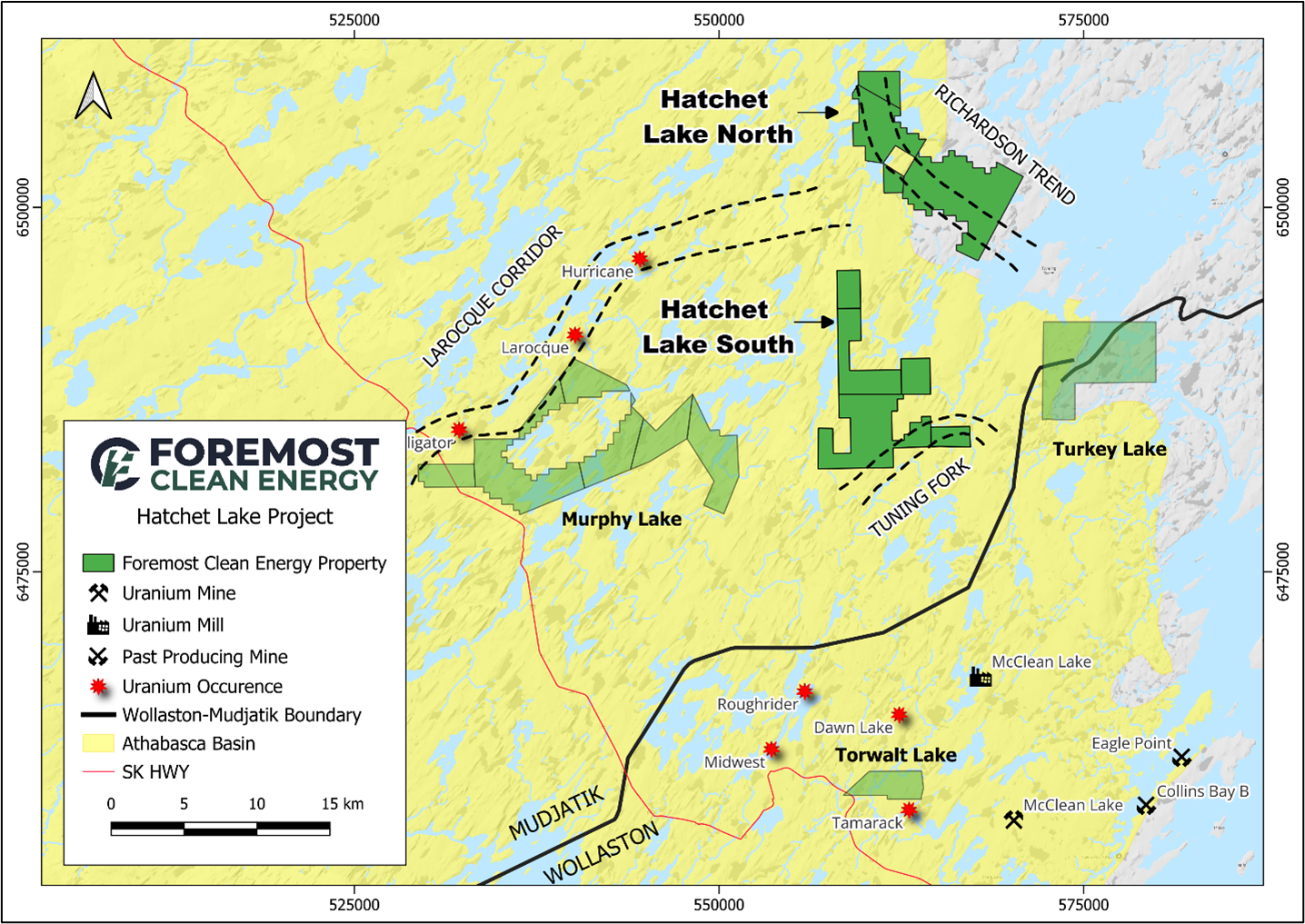
Figure 1. Hatchet Lake Project – Regional Map
Drill Plan and Focus
Hatchet Lake is comprised of two claim blocks, Hatchet Lake South and Hatchet Lake North, each containing multiple drill-ready targets characterized by geological, structural, and geophysical responses consistent with unconformity-related uranium mineralization (Figures 2 to 5). Primary Target Areas for the 2026 drill program are Tuning Fork and the Beta Grid at Hatchet Lake South and the Richardson SE area at Hatchet Lake North.
The drill program’s primary focus will be the new uranium discovery at Tuning Fork, highlighted by drill hole TF-25-16, with step-out and follow-up drilling designed to test continuity and refine controls on mineralization. The program will also test multiple high-priority zones identified through Denison’s historical drilling and geophysical interpretation, enhanced by Foremost’s modern reprocessing and reinterpretation of historic magnetic and electromagnetic data, including conductor modelling to better constrain target geometry, depth, and orientation. This integrated approach strengthens drill targeting and execution.
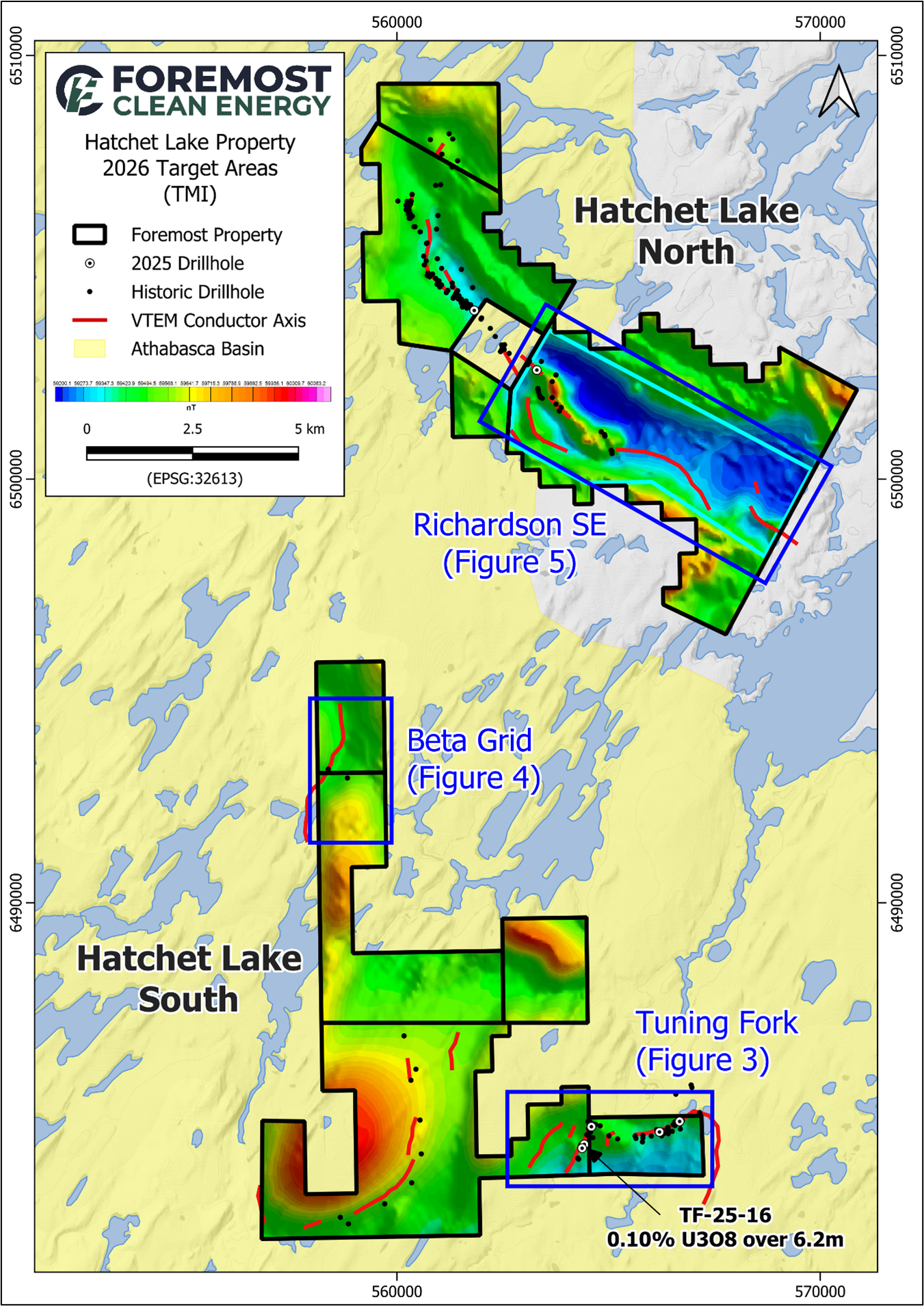
Figure 2. Hatchet Lake Project – 2026 DDH Target Areas
Hatchet Lake South Target Areas
Tuning Fork Target Area (Figure 3)
TF-25-16 Discovery Area
The drill program will prioritize step-out and infill drilling around TF-25-16 to test along-strike and down-dip continuity of mineralization, refine structural controls, with the aim of vectoring towards further uranium mineralization. TF-25-16 intersected 0.87% U₃O₈ over 0.45 metres within a broader 6.2-metre interval averaging 0.10% U₃O₈ (see news release October 29, 2025) at the Athabasca unconformity, associated with strong hydrothermal alteration validating the high-potential for additional uranium mineralization.
Tuning Fork West
At Tuning Fork West, recent processing and interpretation of historic VTEM data has identified a previously untested electromagnetic conductor approximately 1.2 kilometres in strike length. This conductor is coincident with a contact between magnetic highs and magnetic lows, interpreted to represent a lithological boundary between metasedimentary rocks and granitic basement. This geological setting is widely recognized as favourable for the formation of unconformity-related uranium deposits within the Athabasca Basin representing a high-priority, drill-ready target.
Tuning Fork East
The Tuning Fork East target is supported by previous drilling, including TF-25-13, which intersected 2.5m at 0.03% U3O8 (see news release October 29, 2025) at the Athabasca unconformity along with anomalous pathfinder elements. This area remains underexplored, and additional drilling is planned to test strike extensions of conductive and alteration trends with the aid of updated geophysical interpretation.
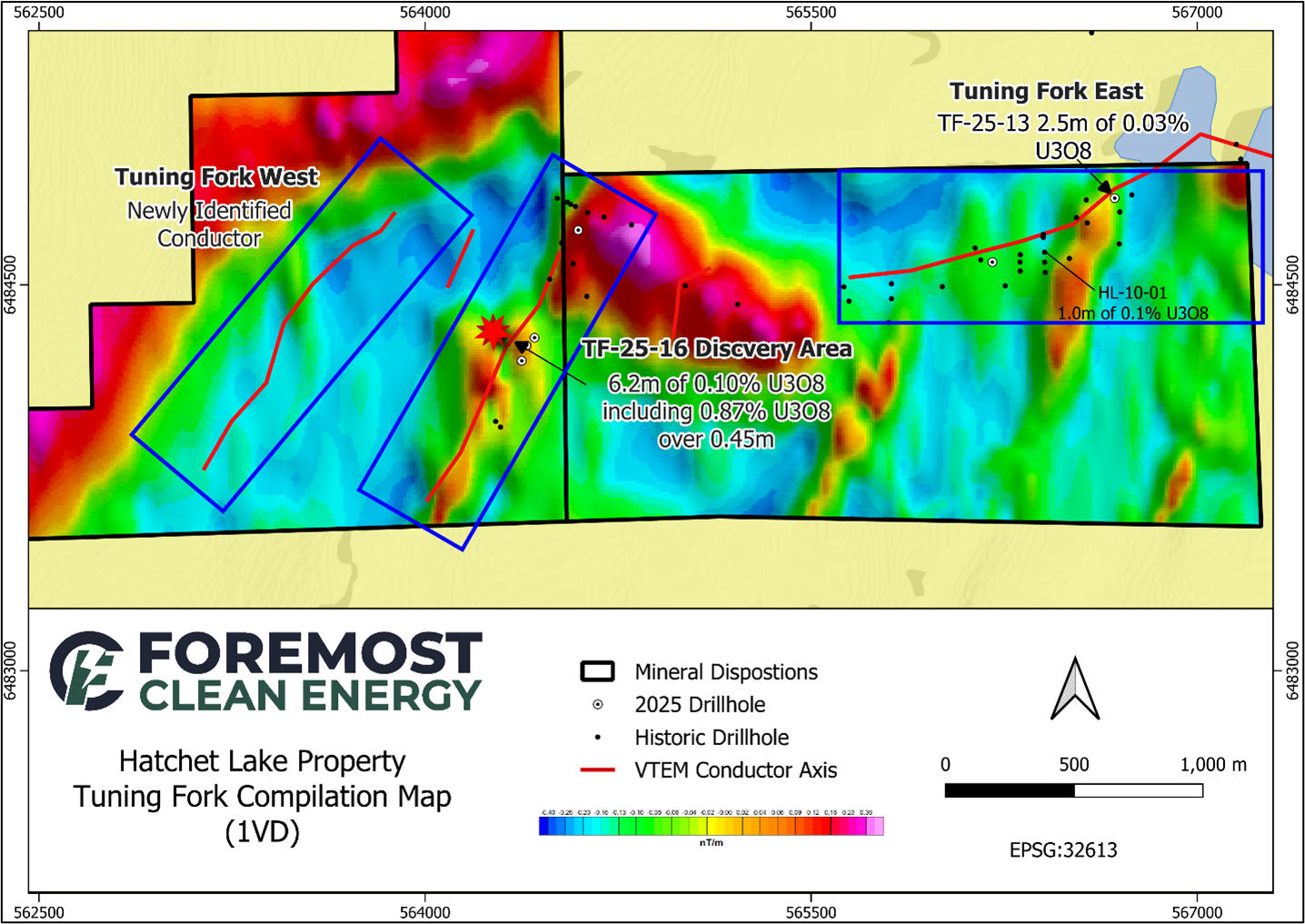
Figure 3. Hatchet Lake South – Tuning Fork Target Areas
Beta Grid Target Area (Figure 4)
The Beta Grid represents a compelling structurally controlled target within Hatchet Lake South. Historic drilling identified a 20.3-metre offset in the depth to the Athabasca unconformity between drill holes HT-125 and HT-126. Hole HT-126, located to the west-northwest of HT-125, intersected the unconformity at a depth of 122.5 metres, compared to 142.8 metres in HT-1251. This relationship is anomalous, as unconformity depths in the Athabasca Basin typically increase toward the west-northwest in the Hatchet Lake South area. The observed offset is interpreted to reflect an east-directed thrust fault, likely associated with a graphitic structural corridor highlighted by a coincident VTEM conductor. Structural disruption of this nature is a key control on uranium mineralization in the Athabasca Basin, and the Beta Grid will be tested with targeted drilling designed to evaluate this interpreted fault zone.
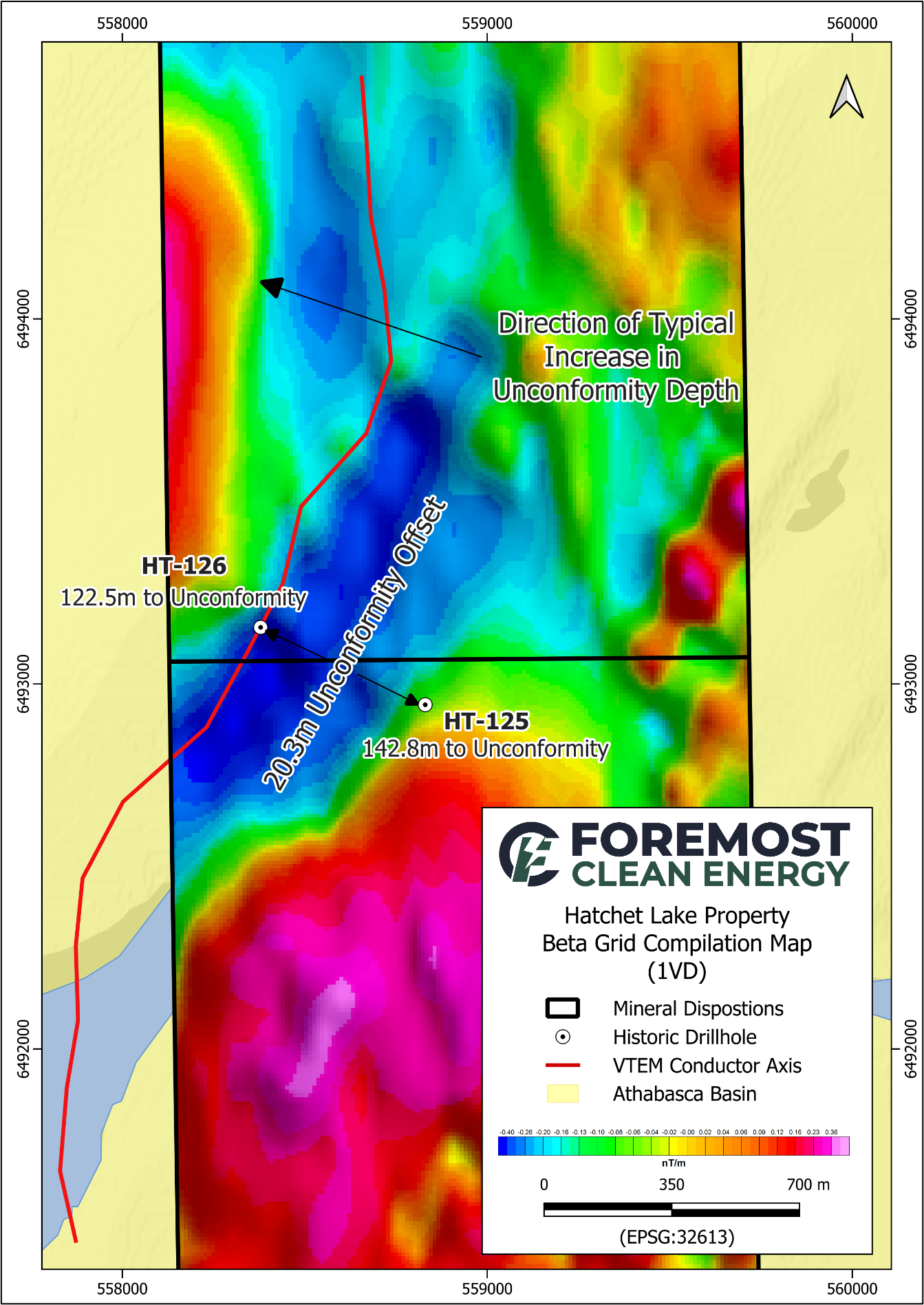
Figure 4. Hatchet Lake South – Beta Grid Target Areas
___________________________
1 Saskatchewan Mineral Assessment File # 74I09-0045
Hatchet Lake North Target Area
Richardson SE Target Area (Figure 5)
The Richardson SE target area is located within Hatchet Lake North and straddles the Athabasca Basin margin, a highly prospective setting for unconformity-related uranium deposits. The broader Richardson Trend is situated northeasterly of the interpreted extents of the Laroque Conductive Corridor (See Figure 1), which is host to multiple occurrences of high-grade uranium mineralization, including IsoEnergy’s Hurricane Deposit, hosting a current Mineral Resource of 48.6 Mlb U₃O₈ at 34.5% U₃O₈ Indicated, and 2.7 Mlb U₃O₈ at 2.2% U₃O₈ Inferred.2
Richardson SE contains more than 5 kilometres of untested electromagnetic conductor strike length, defined through historic VTEM data and supported by conductor modelling. A ground gravity survey was recently completed over the Richardson SE area, and results from this survey are currently being integrated with geological and electromagnetic datasets to refine drill targets, with a focus on identifying zones of structural complexity and hydrothermal alteration.
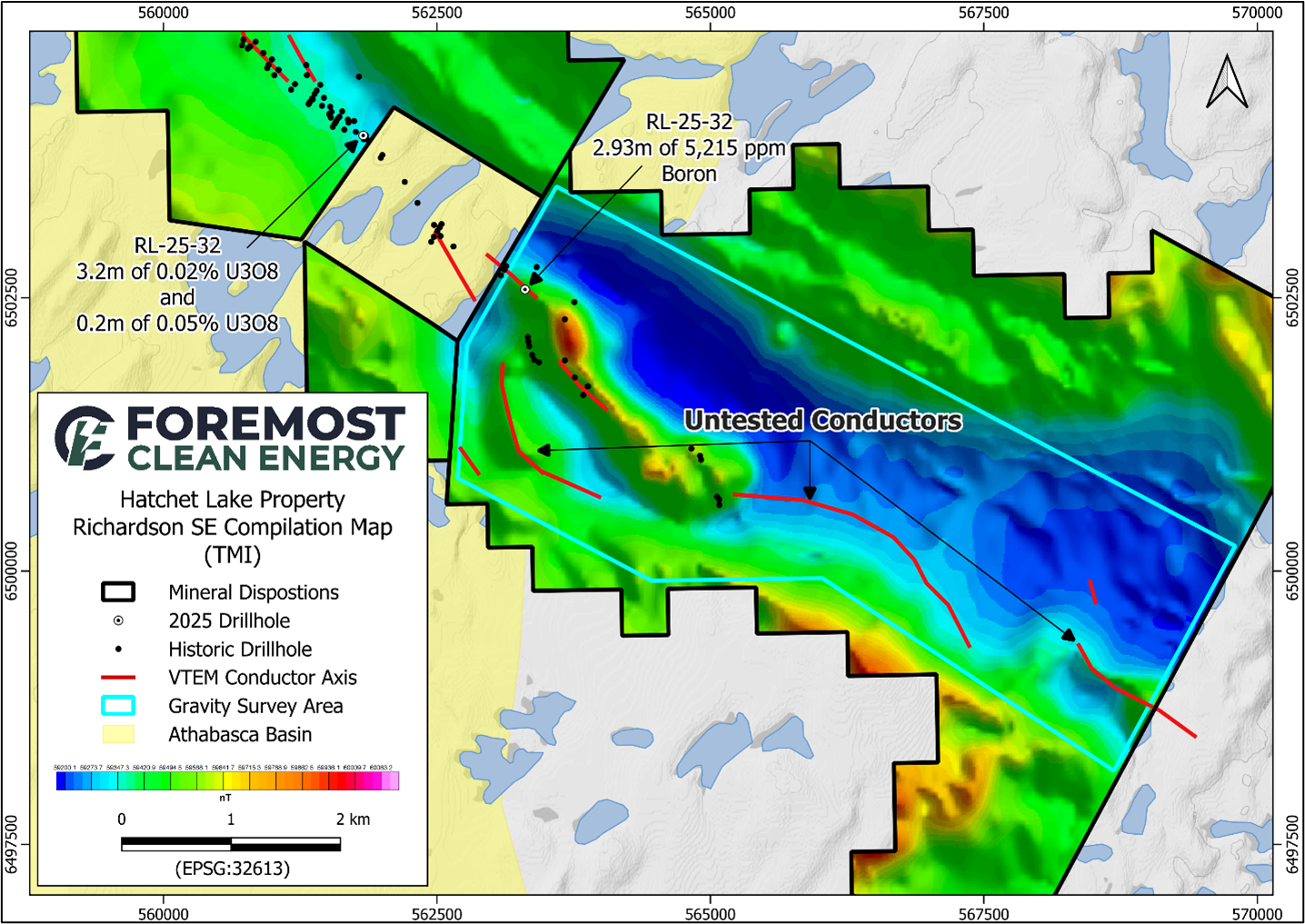
Figure 5. Hatchet Lake North – Richardson SE Target Area
___________________________
2https://isoenergy.ca/news-media/news/isoenergy-commences-2026-winter-drilling-program--at-the-larocque-east-project-athabasca-basin
Foremost cautions that past results or discoveries on adjacent properties may not necessarily be indicative to the presence of mineralization on the company's properties, including the Hatchet Lake Property.
Exploration Outlook
The drill program is intended to follow up the new Tuning Fork Discovery in drill hole TF-25-16 with step-out and infill drilling while also advancing additional drill-ready targets generated through integrated geological and geophysical interpretation and modelling. Foremost believes this, combined with newly identified untested conductors, displacement of the Athabasca unconformity, and confirmed structural complexity, make Hatchet Lake a compelling project for further uranium discoveries.
Qualified Person
The technical content of this news release has been reviewed and approved by Cameron MacKay, P. Geo., Vice President of Exploration for Foremost Clean Energy Ltd., and a Qualified Person under National Instrument 43-101.
A qualified person has not performed sufficient work or data verification to validate the historical results in accordance with National Instrument 43-101. Although the historical results may not be reliable, the Company nevertheless believes that they provide an indication of the property’s potential and are relevant for any future exploration program.
AboutForemost
Foremost Clean Energy Ltd. (NASDAQ: FMST) (CSE: FAT) (WKN: A3DCC8) is a North American uranium and lithium exploration company strategically positioned to support the accelerating demand for reliable, carbon-free energy. As artificial intelligence, data centers, and electrification drive unprecedented growth in global power consumption, the expanding need for reliable nuclear baseload power creates a direct and critical imperative for the sustained exploration required to secure its uranium feedstock.
The Company holds an option from Denison to earn up to 70% interest in 10 prospective uranium properties (except for the Hatchet Lake, where Foremost can earn up to 51%), spanning over 330,000 acres in the prolific, uranium-rich Athabasca Basin region of northern Saskatchewan. The Company employs a data-driven exploration strategy supported by extensive historic drilling and geophysical data across its portfolio, including programs completed by Denison providing a validated roadmap and competitive advantage for targeting high-potential, mineralized trends. To date, Foremost has completed geophysical surveys and multiple drill campaigns that have generated encouraging results and defined high-priority, discovery-ready targets for follow-up drilling.
Foremost also has a portfolio of lithium projects at varying stages of development, which are located across 55,000+ acres in Manitoba and Quebec providing exposure to other critical materials underpinning electrification and energy storage.
For further information, please visit the Company’s website at www.foremostcleanenergy.com.
Contact and Information
Company
Jason Barnard, President and CEO
+1 (604) 330-8067
info@foremostcleanenergy.com
Follow us or contact us on social media:
X: @fmstcleanenergy
LinkedIn: https://www.linkedin.com/company/foremostcleanenergy
Facebook: https://www.facebook.com/ForemostCleanEnergy
Forward-Looking Statements
Except for the statements of historical fact contained herein, the information presented in this news release and oral statements made from time to time by representatives of the Company are or may constitute “forward-looking statements” as such term is used in applicable United States and Canadian laws and including, without limitation, within the meaning of the Private Securities Litigation Reform Act of 1995, for which the Company claims the protection of the safe harbor for forward-looking statements. These statements relate to analyses and other information that are based on forecasts of future results, estimates of amounts not yet determinable and assumptions of management. Any other statements that express or involve discussions with respect to predictions, expectations, beliefs, plans, projections, objectives, assumptions or future events or performance (often, but not always, using words or phrases such as “expects” or “does not expect,” “is expected,” “anticipates” or “does not anticipate,” “plans,” “estimates” or “intends,” or stating that certain actions, events or results “may,” “could,” “would,” “might” or “will” be taken, occur or be achieved) are not statements of historical fact and should be viewed as forward-looking statements. Such forward-looking statements involve known and unknown risks, uncertainties and other factors which may cause the actual results, performance or achievements of the Company to be materially different from any future results, performance or achievements expressed or implied by such forward-looking statements. Such risks and other factors include, among others, the availability of capital to fund programs and the resulting dilution caused by the raising of capital through the sale of shares, continuity of agreements with third parties and satisfaction of the conditions to the option agreement with Denison, risks and uncertainties associated with the environment, delays in obtaining governmental approvals, permits or financing. Although the Company has attempted to identify important factors that could cause actual actions, events or results to differ materially from those described in forward-looking statements, there may be other factors that cause actions, events or results not to be as anticipated, estimated or intended. There can be no assurance that such statements will prove to be accurate as actual results and future events could differ materially from those anticipated in such statements. Although the Company believes that the expectations reflected in such forward-looking statements are based upon reasonable assumptions, it can give no assurance that its expectations will be achieved. Forward-looking information is subject to certain risks, trends and uncertainties that could cause actual results to differ materially from those projected. Many of these factors are beyond the Company’s ability to control or predict. Important factors that may cause actual results to differ materially and that could impact the Company and the statements contained in this news release can be found in the Company’s filings with the Securities and Exchange Commission. The Company assumes no obligation to update or supplement any forward-looking statements whether as a result of new information, future events or otherwise. Accordingly, readers should not place undue reliance on forward-looking statements contained in this news release and in any document referred to in this news release. This news release shall not constitute an offer to sell or the solicitation of an offer to buy securities. and information. Please refer to the Company’s most recent filings under its profile at on Sedar+ at www.sedarplus.ca and on Edgar at www.sec.gov for further information respecting the risks affecting the Company and its business.
The CSE has neither approved nor disapproved the contents of this news release and accepts no responsibility for the adequacy or accuracy hereof.
Figures accompanying this announcement are available at:
https://www.globenewswire.com/NewsRoom/AttachmentNg/c28f0b89-d5a3-425c-9df5-fb8363bf6d55
https://www.globenewswire.com/NewsRoom/AttachmentNg/60f1d861-0a53-4aed-ad21-e830d1788ee4
https://www.globenewswire.com/NewsRoom/AttachmentNg/9c829b59-da49-4fa0-8d2f-2fe5d7d85562
https://www.globenewswire.com/NewsRoom/AttachmentNg/e43abd8d-0ff1-4a40-b214-a1ae751f69ad
https://www.globenewswire.com/NewsRoom/AttachmentNg/03dc59bf-8011-45c2-99c0-188e662b95a8



Figure 1
Hatchet Lake Project – Regional Map
Figure 2
Hatchet Lake Project – 2026 DDH Target Areas
Figure 3
Hatchet Lake South – Tuning Fork Target Areas
Figure 4
Hatchet Lake South – Beta Grid Target Areas
Figure 5
Hatchet Lake North – Richardson SE Target Area
© 2026 Canjex Publishing Ltd. All rights reserved.