(via TheNewswire)
September 3, 2026 - Vancouver, B.C. - TheNewswire
Smartwell Showcases AI-Driven Strawberry Cultivation Through Its Commercially Deployed Smart Agriculture Platform
Real-world deployment integrates AI crop growth models, environmental sensing technology, and automated greenhouse control systems.
Smartwell Technology Corp. (TSXV: SMWE) today highlighted the commercial application of its AI-driven strawberry cultivation solution, demonstrating how its smart agriculture platform organically integrates crop growth models, environmental sensing, data analytics, and automated greenhouse control systems within real-world controlled environment agriculture (CEA) settings.
Real Pain Points and Market Potential in Strawberry Cultivation
Strawberries are among the greenhouse crops that combine high added value with strong potential for large-scale cultivation. Compared with ordinary crops, strawberries are more sensitive to temperature, humidity, light, irrigation, nutrition, and pest and disease management — fluctuations in any one of these factors can affect fruit quality. Large buyers such as Costco and Sam's Club demand extremely consistent supply chain quality and yield, yet the high spoilage rates caused by non-compliant fruit under traditional cultivation methods disrupt market timing and ultimately affect growers' overall returns.
Click Image To View Full Size
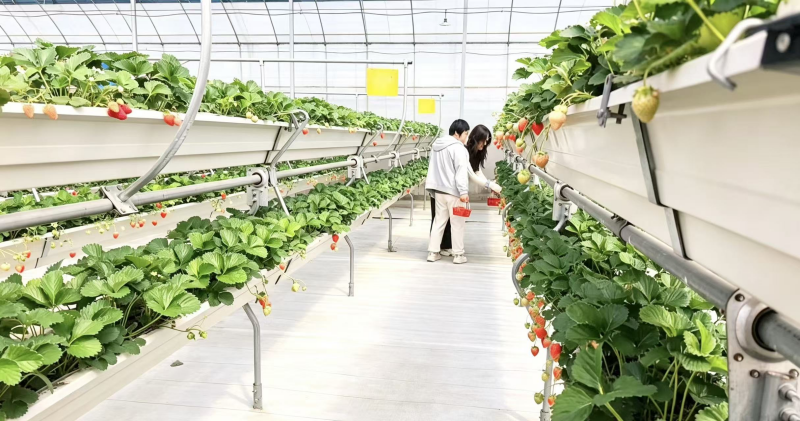
Figure 1 Strawberry Picking Garden, Beijing Xingyan Agricultural Cooperative( actual‑customer sites )
For Smartwell, AI-driven precision strawberry cultivation is not an isolated pilot project but a service segment where its controlled environment agriculture (CEA) platform is genuinely being brought to market. The company chose strawberries as one of its CEA platform applications because the crop combines high added value, demanding standardization requirements, large-scale cultivation, and strong commercial validation value. More importantly, related projects run by the company's China subsidiary have already been deployed across the Asia-Pacific region, providing a real-world foundation for replicating the platform across additional crops going forward.
Smartwell's Controlled Environment Agriculture Platform
Smartwell's controlled environment agriculture platform is not a simple greenhouse monitoring system, but an intelligent agricultural operating framework built around "sensing, AI models, decision-making, execution, and feedback." The system continuously analyzes crop status inside the greenhouse using sensors, environmental data, crop imagery, and growth-stage information, and applies the results of that analysis to guide irrigation, fertilization, ventilation, supplemental lighting, and other cultivation actions. This enables automated, precision cultivation that lowers labor, water, and fertilizer inputs while improving product quality and business returns, and drives continuous improvement in resource conservation, environmental performance, and ESG outcomes.
Click Image To View Full Size
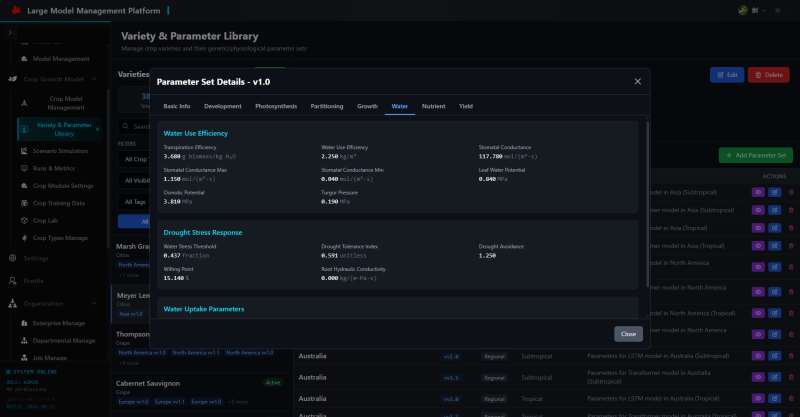
Figure 2 AI Optimal Crop Growth Model Training Platform
The core of this closed-loop architecture is not simply digitizing traditional experience, but making the AI model the "decision-making hub" of greenhouse cultivation. The model incorporates 173 influencing factors and more than 2,300 dynamic parameters, and is trained and optimized on more than 76 million crop growth data points and image samples. This enables the system not only to identify crop growth status, but also to make dynamic decisions and execution recommendations for different growth stages — for example, the strawberry model series focuses on the coordinated control of light, temperature, and nutrients during fruit ripening to produce fuller, sweeter fruit.
Project Implementation and Results
In traditional protected agriculture, growers typically rely on manual greenhouse patrols to gauge changes in temperature and humidity, manually adjust ventilation and supplemental lighting, schedule irrigation and fertilization by experience, and make manual corrections whenever readings such as air temperature, humidity, soil temperature and moisture, and CO₂ fluctuate. By contrast, Smartwell's approach on the strawberry project was to first deploy environmental monitoring equipment, high-definition intelligent imaging equipment, multispectral capture equipment, ventilation control equipment, lighting control equipment, automated irrigation equipment, and precision fertilization equipment within the greenhouse, then connect all of this equipment to the CEA system. The platform centrally collects and analyzes the data and automatically issues control instructions based on the strawberry plants' growth stage, enabling automated, precision cultivation driven by the AI optimal crop growth model.
Click Image To View Full Size
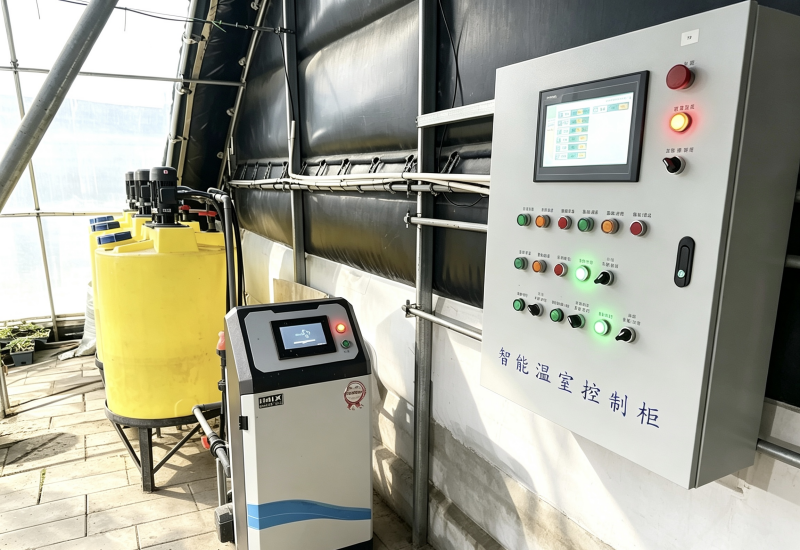
Figure 3 Integrated Automated Irrigation and Fertilization Control Terminal
After the system went live, greenhouse operations changed markedly: temperature, humidity, lighting, irrigation, and fertilization management that once required repeated manual inspection is now continuously monitored and automatically adjusted by the system; localized corrections that once relied on experience-based judgment are now real-time decisions based on environmental data, crop imagery, and growth stage; and greenhouse management that once required manual, item-by-item operation has become a visualized, recordable, and traceable standardized process. For growers, this means fewer repetitive patrols, less manual adjustment, and less reliance on experience-based judgment, with more of the fine-grained management handled by the platform.
Click Image To View Full Size
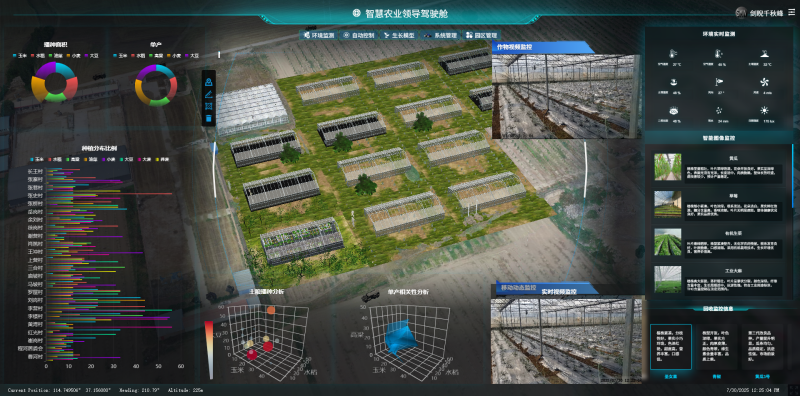
Figure 4 Controlled Environment Agriculture system
On the results side, follow-up assessments of strawberry cultivation at projects the company has completed and put into operation over the past three years (Client 1: Beijing Xingyan Agricultural Cooperative, August 2025, project value CAD 145,259.2; Client 2: Beijing Jinhuinong Agricultural Cooperative, August 2023, project value CAD 214,794.6; Client 3: Chongqing Lingli Intelligent Technology Co., Ltd., September 2023, project value CAD 353,000) indicate an average effective yield increase of approximately 16.7%, water savings of approximately 53%, fertilizer and pesticide savings of 23% to 28%, and a reduction in labor input of approximately 76%. Overall cultivation returns can improve by more than 26.6%, with a payback period of approximately 3 to 4 years. (Note: The above figures are based on Smartwell’s internal calculations and customer follow-up visits; results for other crops may vary depending on variety, environment, management level, and project configuration.)
Customer Testimonial [General Manager, Beijing Jinhuinong Agricultural Cooperative]
"Before we connected to the Smartwell system, we had to rely on daily manual greenhouse patrols to keep an eye on temperature, humidity, light, and irrigation, and adjustments often lagged half a step behind whenever the weather changed. Since the system went live, a lot of tasks that used to require repeated manual handling can now be monitored and automatically adjusted through the platform — our time spent on repeat inspections, manual light adjustment, manual irrigation, and manual fertilization has dropped noticeably.
A more visible change is that strawberry quality has become more consistent, fruit shape more uniform, and harvest scheduling easier to plan. Fluctuations that once directly affected downstream shipping and sales timing are now flagged and adjusted for in advance by the system based on the crop’s growth stage, making overall management steadier and costs more controllable. Based on how we calculated things in past years, our spend on labor, water and fertilizer, and repeat operations has come down — profit per greenhouse is now about CNY 20,000 (roughly CAD 4,000) higher than before we used the system. Each greenhouse covers about one mu (roughly 667 square meters): a greenhouse that used to sell for CAD 15,000 can now sell for CAD 17,500, after saving CAD 1,500 in water, electricity, fertilizer, and other input and labor costs.”
Comments from Smartwell's CTO
"Strawberries are just one commercial application within Smartwell’s library of crop models — over the past three years we have served a cumulative total of 5 companies growing strawberries. From the company’s perspective, what we’ve done isn’t sell a few environmental monitoring systems; it’s continuously deploy and operate, in real cultivation settings, an integrated smart-farming solution that combines ‘crop models + agricultural data + software platform + terminal execution,’ and effectively help our customers increase their returns."

Copyright (c) 2026 TheNewswire - All rights reserved.
© 2026 Canjex Publishing Ltd. All rights reserved.